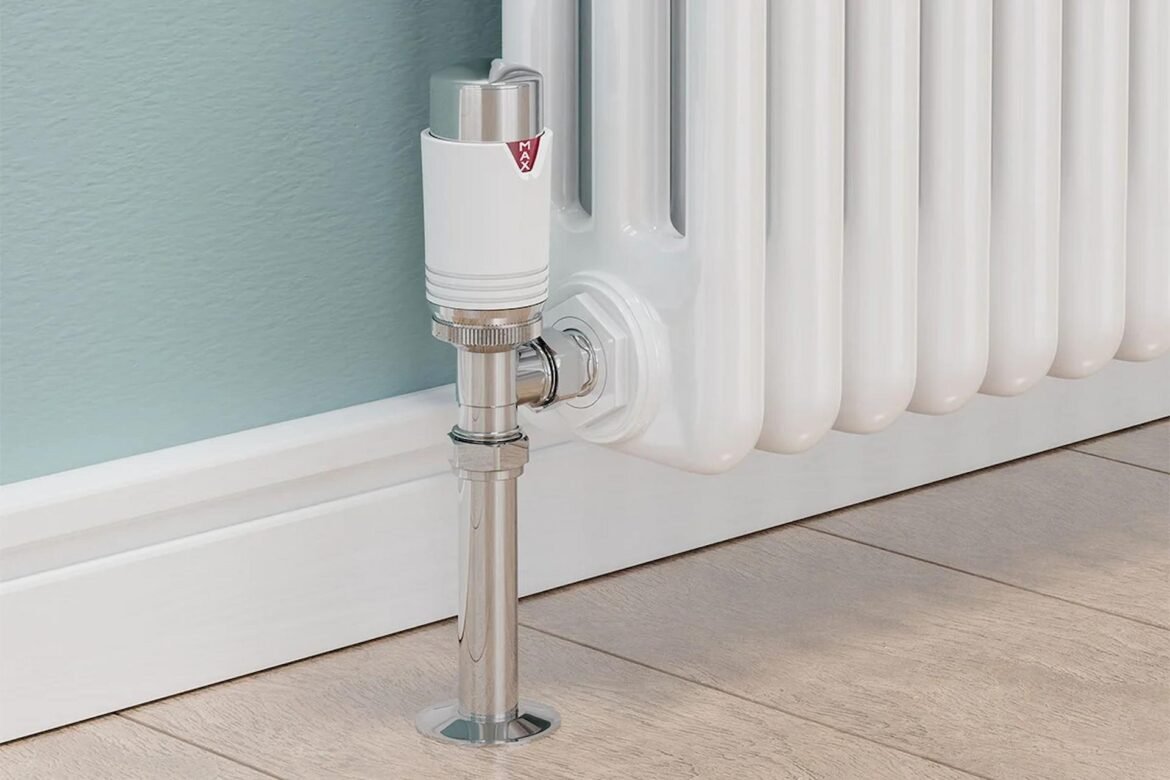

Stepping into a chilly room and reaching for that small plastic dial at the end of your radiator is a ritual most British homeowners perform without a second thought. We twist, we turn, and we hope for the best. However, beneath that simple mechanical action lies a sophisticated piece of engineering designed to balance comfort with energy efficiency. Understanding how radiator valves are graded—and precisely what those mysterious numbers signify—is the secret to a warm home and a manageable energy bill. As we move towards a greener future, mastering your central heating controls is no longer just about comfort; it is about precision and planetary responsibility.
When you begin to delve into the mechanics of your heating system, you might find yourself wondering about the broader infrastructure, such as should you replace pipes when you change a radiator, to ensure maximum flow and efficiency. While the valve is the gatekeeper of heat, the pipework is the highway. If you are upgrading to modern Thermostatic Radiator Valves (TRVs), ensuring your pipes are clear of sludge and correctly sized is paramount. A high-grade valve cannot compensate for a restricted pipe, so assessing the entire setup during a renovation is often the wisest course of action for long-term reliability.
The Anatomy of a Radiator Valve: Manual vs. TRV
Before discussing grades and numbers, it is essential to distinguish between the two primary types of valves found in UK homes. A manual valve is essentially a tap; it is either on, off, or somewhere in between, regardless of the room temperature. In contrast, a Thermostatic Radiator Valve (TRV) is a self-regulating sensor.
The “head” of a TRV contains a capsule filled with wax or liquid. As the room warms up, this material expands, pushing a pin down to close the valve and restrict hot water flow. As the room cools, the material contracts, the pin rises, and the heat returns. This autonomous adjustment is what makes TRVs the gold standard for modern energy conservation.
Understanding the Grading System for Radiator Valves
Radiator valves are not all created equal. In the UK and Europe, they are often graded based on their efficiency, build quality, and “Tell-tale” accuracy. While you might see various manufacturer-specific ratings, the industry generally looks at the following criteria:
1. The TELL Rating
The Thermostatic Efficiency Label (TELL) was developed to provide a clear classification system for TRVs. Similar to the energy labels you find on fridges or washing machines, the TELL system grades valves from A to I. A Grade A valve demonstrates the highest level of responsiveness and the lowest “hysteresis”—the lag between the temperature change and the valve’s reaction.
2. Sensor Material: Liquid vs. Wax
The grading is heavily influenced by the internal sensor.
- Liquid Sensors: Generally considered higher grade. They are more sensitive to temperature fluctuations and react faster than wax.
- Wax Sensors: Found in more budget-friendly, lower-graded valves. While reliable, they take longer to expand and contract, leading to slightly less precise temperature control.
3. Build Material and Finish
Premium valves are typically constructed from solid brass with high-quality chrome, nickel, or anthracite finishes. Higher-grade valves also feature “soft-touch” internal seals that prevent the dreaded “sticking valve” syndrome that often plagues cheaper models after a long summer of inactivity. When considering should you replace pipes when you change a radiator, you should also look at the compatibility of your new high-grade valves with your existing plumbing to avoid leaks or aesthetic mismatches.
Decoding the Numbers: What do 1 to 5 Actually Mean?
The most common misconception in British households is that the numbers 1 to 5 on a TRV represent “intensity” or how “hot” the radiator will get. This is incorrect. In reality, these numbers correspond to specific ambient room temperatures. While every manufacturer has slight variations, the following scale is the industry standard for most UK TRVs:
- Frost Protection: Usually around 7°C. This setting ensures the water in the radiator doesn’t freeze and burst the pipes, but it won’t keep the room warm.
- Number 1: Approximately 10°C – 12°C. Ideal for storage rooms or cupboards.
- Number 2: Approximately 15°C – 16°C. Perfect for bedrooms where you prefer a cooler sleeping environment.
- Number 3: Approximately 18°C – 20°C. The “sweet spot” for living rooms and home offices.
- Number 4: Approximately 21°C – 22°C. For those who feel the cold or for rooms with high ceilings.
- Number 5: Approximately 23°C – 26°C. Generally used for bathrooms or for very brief periods to boost a cold room.
Why You Should Never Set Your TRV to 5
Turning your valve to 5 will not make the radiator heat up any faster. The speed of heating is determined by your boiler and pump. Setting it to 5 simply tells the valve to stay open until the room reaches a sweltering 25°C, which wastes an enormous amount of energy and money.
Essential Maintenance for Radiator Valves
To ensure your valves maintain their grade-A performance, a small amount of seasonal maintenance is required. Because TRVs rely on a moving pin, they are susceptible to mechanical failure if left ignored.
Top Tips for Valve Longevity:
- Summer Opening: Always turn your TRVs to the highest setting (5) during the summer months. This keeps the internal pin retracted and prevents it from seizing in the closed position when you turn the heating back on in autumn.
- Dusting: Ensure the head of the TRV is free from dust and is not covered by heavy curtains. If the sensor is covered, it will “think” the room is warmer than it actually is and shut off prematurely.
- Bleeding Radiators: While not directly a valve issue, trapped air prevents hot water from reaching the valve sensor correctly, leading to erratic temperature readings.
Benefits of Upgrading to High-Grade TRVs
If your home still relies on old manual valves or 20-year-old TRVs, an upgrade can offer a significant return on investment. Modern valves are far more accurate and can be integrated into smart home systems.
Key Advantages of Modern Grading:
- Reduced Energy Bills: High-grade TRVs can reduce heating costs by up to 18% by preventing overheating in unoccupied rooms.
- Individual Room Control: You can keep the lounge at 20°C while keeping the spare bedroom at 12°C, tailoring your home to your lifestyle.
- Aesthetic Appeal: Modern valves come in a range of styles, from traditional Victorian cross-heads to sleek, minimalist designs that complement contemporary interiors.
- Smart Integration: Smart TRVs allow you to set schedules via your smartphone, meaning you never have to come home to a cold house again.
Final Thoughts on Heating Efficiency
Understanding the grading and numbering of your radiator valves is a foundational step in home ownership. By treating these components as precision instruments rather than simple taps, you gain control over your environment and your finances. Whether you are opting for liquid-filled Grade A valves for maximum responsiveness or simply learning to leave your dial on “3,” the impact on your home’s comfort will be immediate. Remember that your heating system is a holistic network; every valve, pipe, and radiator works in tandem to create the perfect British sanctuary against the winter chill.