
If you’re still juggling a separate furnace for winter and a clunky air conditioner for summer, it might be time to rethink how you heat and cool your home. Modern heat pumps have quietly transformed home comfort by doing both jobs with one efficient system. Instead of generating heat, they move it, pulling warmth indoors during chilly months and reversing the process to push heat out when temperatures rise. For homeowners who want lower energy bills, fewer maintenance headaches, and year-round comfort without the clutter of two systems, the appeal is obvious.
As more people look for practical ways to improve comfort and reduce energy use, conversations around heat pumps have become increasingly common. Homeowners researching upgrade options often speak with local professionals who provide heat pump services in Arlington, WA, to better understand how these systems perform in different homes and climates. With advances in inverter technology, cold-climate performance, and smart controls, today’s heat pumps are no longer a compromise. They’re a genuine upgrade that works through both seasons, and they’re changing expectations about what a single HVAC system can do.
What Exactly Is a Heat Pump?
At its core, a heat pump is a two-way climate controller. In heating mode, it extracts thermal energy from the outdoor air even when it feels cold outside and transfers it indoors. In cooling mode, it does the opposite, removing heat from your home and releasing it outdoors. The same equipment, the same ductwork or wall units, just reversed operation.
The key difference from traditional systems is efficiency. Because a heat pump moves heat rather than creating it through combustion, it can deliver 2–4 units of heat for every unit of electricity it consumes. That ratio, known as the Coefficient of Performance (COP), is why energy-conscious homeowners are paying attention.
Why One System Makes Sense for Two Seasons
1. Lower Running Costs
Maintaining two separate systems means double the maintenance, double the potential repairs, and often, higher energy use. A high-efficiency heat pump consolidates that workload. According to the UK’s Energy Saving Trust and US Department of Energy data, households that switch from electric resistance heating or old AC + gas furnace combos can see heating costs drop by 30–60%, depending on climate and electricity rates.
2. Consistent Comfort, Fewer Temperature Swings
Modern inverter-driven heat pumps don’t just blast on and off. They modulate output to match your home’s needs in real time. The result is steadier indoor temperatures, better humidity control in summer, and fewer cold spots in winter. No more waiting for the furnace to “catch up” on a frosty morning.
3. Reduced Carbon Footprint
If your electricity supply includes renewables, a heat pump instantly becomes a lower-carbon heating option. Even on a standard grid, the efficiency gains mean less total energy used across the year. For homeowners planning future solar panel installations, pairing them with a heat pump is a logical next step toward net-zero energy use.
4. Space and Aesthetics
Removing a bulky outdoor AC condenser and reclaiming space from an indoor furnace opens up utility rooms, lofts, and gardens. Ductless mini-split models go further, needing only a slim indoor wall unit instead of extensive ductwork, ideal for extensions, period properties, or flats.
How Modern Heat Pumps Handle Cold Weather
The biggest myth about heat pumps is that they “don’t work in winter.” Early models did struggle below 5°C, but that’s no longer the case. Cold-climate heat pumps now operate efficiently down to -15°C or lower, thanks to improved compressors, enhanced refrigerants, and vapour injection technology.
In practice, that means most of the UK and much of the northern US can rely on a heat pump as a primary heat source. In extreme cold snaps, some systems include a small backup electric element, but it’s used sparingly, often less than 5% of the heating season.
Key Features to Look For in a Cold-Climate Unit
- Variable-speed inverter compressor: Adjusts output precisely instead of cycling on/off
- Enhanced vapour injection (EVI): Maintains heating capacity at low outdoor temperatures
- Defrost logic: Smart sensors minimize unnecessary defrost cycles that interrupt heating
- High HSPF2/SEER2 ratings: These newer US metrics give a more realistic view of seasonal efficiency
Ducted vs Ductless: Which Setup Suits You?
Ducted Heat Pumps
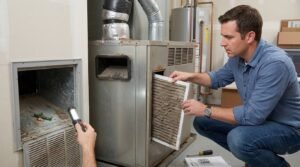
Best if you already have ductwork in good condition. A single outdoor unit connects to an air handler that distributes conditioned air through existing vents. This gives you whole-home comfort with one thermostat and keeps the look of your rooms unchanged.
Ductless Mini-Splits
Ideal for homes without ducts, room additions, or for zoning. Each indoor unit handles a specific area, so you can keep bedrooms cooler and living areas warmer without compromise. Installation is less invasive, and you avoid energy losses that can occur in ductwork, sometimes as high as 25% in older systems.
Hybrid Systems
Some households opt for a dual-fuel setup: a heat pump paired with a high-efficiency gas furnace. The heat pump handles mild weather, and the furnace kicks in only during extreme cold. It’s a good transitional option if you’re not ready to go fully electric or if gas prices are particularly low in your area.
Practical Insights: Getting the Most from Your Heat Pump
- Right-sizing is everything. An oversized unit will short-cycle and waste energy; an undersized one will struggle. Ask your installer for a proper heat-loss calculation not a rule-of-thumb estimate based on square footage alone.
- Don’t set back the thermostat aggressively. Unlike furnaces, heat pumps are most efficient when maintaining a steady temperature. Dropping it 5–6°C at night can force the system to work harder to recover. A 1–2°C setback is usually the sweet spot.
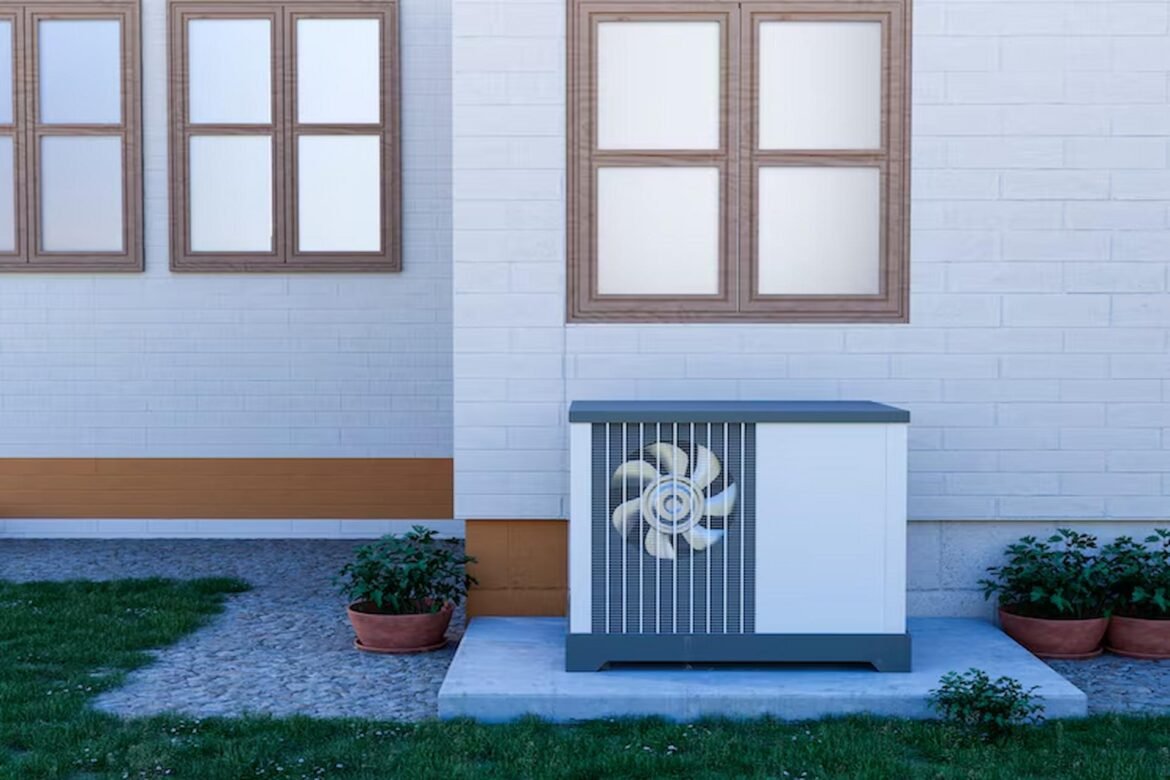
- Keep the outdoor unit clear. Leaves, snow, and garden debris restrict airflow and force the system to work harder. A 60cm clearance on all sides is a good rule.
- Schedule annual maintenance. Cleaning coils, checking refrigerant levels, and testing defrost controls keeps efficiency high. Most manufacturers require professional servicing to keep warranties valid.
- Use smart controls wisely. Many heat pumps integrate with apps or smart thermostats. Enable features like weather compensation, which adjusts flow temperature based on outdoor conditions, to maximize efficiency.
Common Questions Homeowners Ask
Will a heat pump work with my existing radiators?
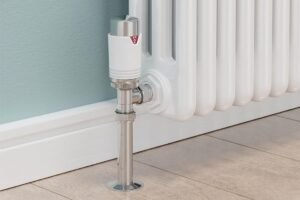
Yes, but check the flow temperature. Traditional radiators are sized for 70–80°C water from a boiler. Most heat pumps run best at 35–55°C. You may need larger radiators or underfloor heating to run efficiently. High-temperature heat pumps exist, but they sacrifice some efficiency.
How noisy are they?
Modern outdoor units are comparable to a fridge hum around 40–60 decibels. Good placement and anti-vibration mounts keep it unobtrusive. Ductless indoor units are whisper-quiet, often under 25 dB on low fan speed.
What’s the lifespan?
Expect 15–20 years with proper maintenance, similar to a quality boiler or AC. Compressors are the hardest-working part, and inverter models tend to last longer because they avoid harsh start-stop cycles.
Creating Long-Term Home Comfort
Heating and cooling account for roughly half of the average home’s energy use. Choosing a system that handles both efficiently isn’t just convenient, it’s one of the most impactful upgrades you can make for your bills and your carbon footprint. Modern heat pumps have matured past the early limitations that gave them a mixed reputation. They’re now a reliable, single-solution answer to two-season comfort.
If you’re weighing up replacement options or building an extension, speak to a qualified installer who can assess your home’s heat loss, insulation, and layout. With the right design and setup, one system really can handle two seasons quietly, efficiently, and without fuss. The days of choosing between winter warmth and summer cool are over. Your home deserves better, and today’s heat pump technology delivers it.