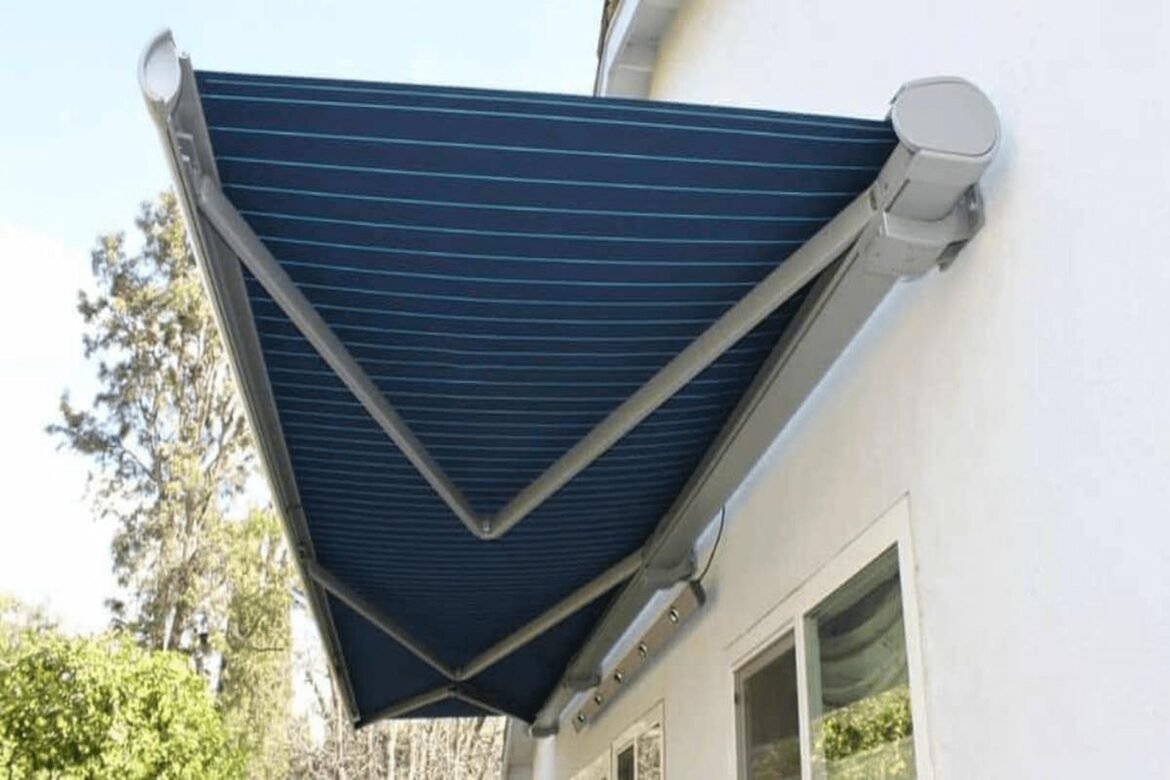

Adding an awning to your home is one of the simplest ways to create a more comfortable outdoor space. Whether you want shade for a patio, protection for outdoor furniture, or a more enjoyable place to relax during warmer months, an awning can make a significant difference.
When choosing an awning, homeowners often face a common question: should they opt for a manual model or invest in electric awnings? Both options offer practical benefits, but the right choice depends on your budget, lifestyle, and how you plan to use your outdoor space.
This guide explores the key differences between manual and electric awnings to help you make an informed decision.
Understanding Manual Awnings
Manual awnings operate using a hand crank. To extend or retract the awning, the user turns the handle until the desired position is reached.
For many homeowners, manual awnings remain an attractive option because of their simplicity and affordability. They do not require electrical connections, making installation relatively straightforward.
Advantages of Manual Awnings
Lower Initial Cost
One of the biggest advantages of manual awnings is the lower purchase price. Since there are fewer components involved, they generally cost less than motorised alternatives.
Simple Operation
Manual systems have fewer mechanical parts, which can make them easier to maintain over time. There is no motor, wiring, or remote-control system to worry about.
No Electricity Required
Because they operate entirely by hand, manual awnings continue to function regardless of power outages or electrical issues.
Drawbacks of Manual Awnings
Less Convenient
The need to physically crank the awning in and out can become inconvenient, particularly for larger models.
Slower to Operate
Extending or retracting a manual awning takes more time and effort compared to pressing a button.
Limited Accessibility
For older homeowners or individuals with mobility limitations, operating a manual crank may not always be practical.
Understanding Electric Awnings
Electric awnings use a motor to extend and retract the canopy. Most systems operate through a wall switch, remote control, or smart home integration.
Many modern homeowners choose electric awnings because they offer greater convenience and ease of use, especially for larger patios and outdoor entertaining areas.
Advantages of Electric Awnings
Effortless Operation
Perhaps the most obvious benefit is convenience. With the push of a button, the awning can be fully extended or retracted in seconds.
This ease of use encourages homeowners to make better use of their outdoor spaces throughout the year.
Ideal for Larger Installations
As awnings increase in size, manual operation becomes more demanding. Electric systems handle large widths and projections effortlessly.
Enhanced Features
Many electric models can be fitted with additional technology, including:
- Wind sensors
- Sun sensors
- Rain sensors
- Remote controls
- Smart home connectivity
These features can help protect the awning and improve overall user experience.
Increased Comfort
Quick deployment means shade is available whenever needed. Whether enjoying a morning coffee or hosting a summer gathering, the awning can be adjusted instantly.
Drawbacks of Electric Awnings
Higher Upfront Investment
Motorised systems generally cost more than manual alternatives due to the additional technology involved.
Electrical Requirements
Installation may require access to a suitable power supply, which can add complexity depending on the property’s layout.
Potential Repair Costs
Although modern motors are highly reliable, electrical components may eventually require servicing or replacement.
Comparing Convenience
Convenience is often the deciding factor for many homeowners.
A manual awning performs its primary function effectively, but it requires physical effort every time it is used. This can become frustrating if weather conditions change frequently throughout the day.
An electric awning allows users to respond instantly to changing sunlight, wind, or rain. With a remote control or automated sensor system, adjustments can be made without leaving a chair or interrupting an activity.
For households that regularly use their patio or garden seating area, the convenience advantage is substantial.
Comparing Durability and Maintenance
Both manual and electric awnings can provide many years of service when properly maintained.
Manual systems benefit from having fewer moving parts. This simplicity can reduce the likelihood of certain mechanical issues.
Electric systems, while more complex, are designed for long-term reliability. Modern motors are engineered to withstand frequent use, and many manufacturers offer strong warranties for added peace of mind.
Routine maintenance for both types generally includes:
- Cleaning the fabric regularly
- Removing debris from the frame
- Inspecting moving components
- Retracting the awning during severe weather
When maintained correctly, either option can deliver excellent longevity.
Considering Your Lifestyle
The best awning often depends on how you intend to use it.
A manual awning may be ideal if:
- You are working with a tighter budget
- The awning will be used occasionally
- You prefer simple mechanical systems
- Electrical installation is difficult
An electric awning may be better if:
- You use your outdoor space frequently
- Convenience is a priority
- You want automated weather sensors
- You have a large patio or deck
- Accessibility is an important consideration
Which Option Adds More Value?
Many homeowners view motorised awnings as a premium feature. The added convenience, modern functionality, and enhanced usability can make outdoor living spaces feel more sophisticated.
While a manual awning still provides excellent shade and protection, motorised systems often align more closely with current homeowner expectations and outdoor living trends.
That does not mean manual awnings lack value. For many properties, they remain a practical and cost-effective solution that delivers excellent performance.
Final Thoughts
Choosing between manual and electric awnings comes down to balancing budget, convenience, and long-term usage.
Manual awnings offer simplicity, affordability, and dependable performance. They are a sensible choice for homeowners who want effective shade without additional technology.
Electric awnings, on the other hand, provide effortless operation, advanced features, and greater day-to-day convenience. For households that frequently use their outdoor areas, the investment can significantly enhance comfort and usability.
Before making a decision, consider how often you will use the awning, who will operate it, and which features matter most to your lifestyle. By matching the awning to your needs, you can create an outdoor space that remains comfortable and enjoyable for years to come.