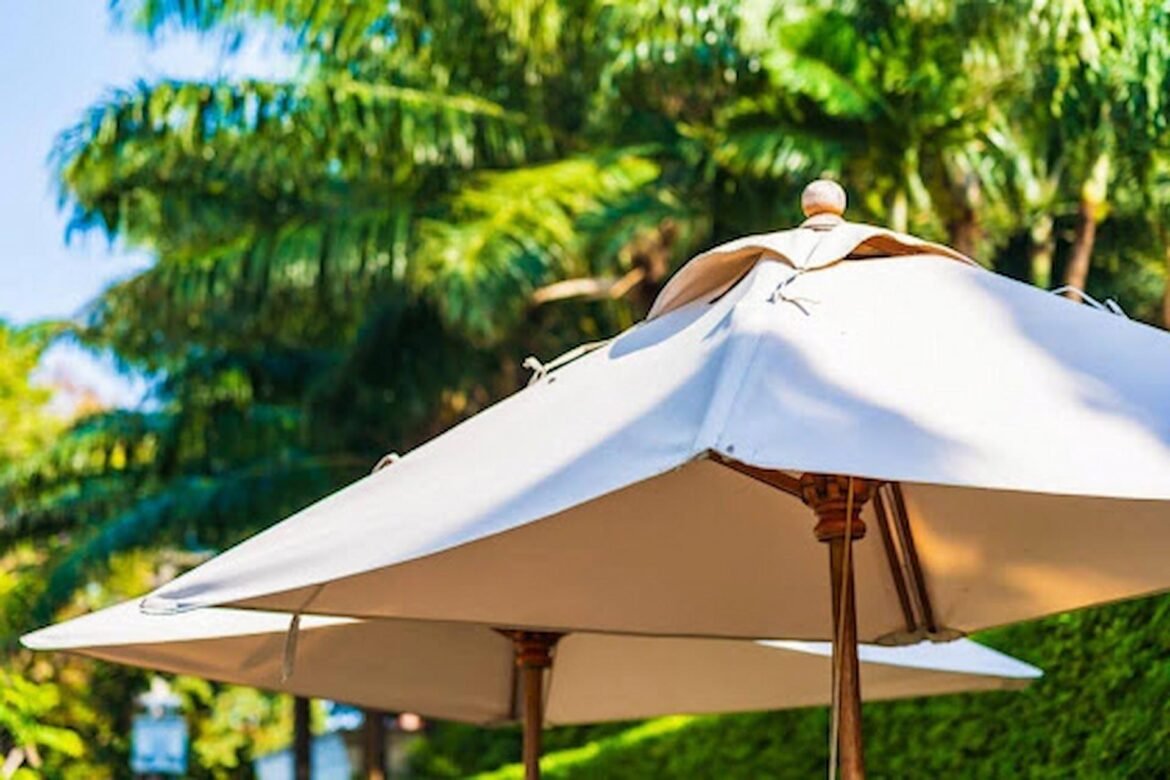

Outdoor spaces work best when they balance comfort, shelter, and flexibility. Awnings play a central role in that balance, shaping how patios and gardens are used across changing weather. Choosing between fixed and retractable designs affects shade control, maintenance needs, and how well an outdoor area adapts over time.
Outdoor comfort is no longer an afterthought. Homeowners increasingly expect patios and terraces to function as usable extensions of the home. Garden awnings support that goal by managing sunlight, light rain, and temperature, while also shaping the look and usability of outdoor areas. The choice usually comes down to two options: fixed awnings or retractable awnings. Each serves a distinct purpose and suits different priorities.
Fixed Awnings: Structure That Stays Put
Fixed awnings are designed for permanence. They provide continuous shelter and create a clearly defined shaded area that does not change with daily conditions.
This type of awning suits spaces where consistent coverage is more important than adaptability.
What a Fixed Awning Is
A fixed awning is a permanent structure attached to a wall or frame. Once installed, it remains extended at all times. The framework is rigid, and the fabric or covering is tensioned into a consistent shape.
Key Characteristics
Fixed awnings provide constant shade. Because they do not move, they offer predictable coverage throughout the day. This stability makes them suitable for areas where continuous shelter is needed.
Advantages of Fixed Awnings
- Consistent protection from sun exposure and light rain
- Strong structural support, often suited to wind-exposed locations
- Lower mechanical complexity, which reduces moving parts
With fewer components, fixed awnings tend to rely on strength rather than flexibility.
Limitations to Consider
The main limitation is lack of adaptability. Shade cannot be adjusted based on weather or time of day. In winter or low-sun conditions, permanent coverage may reduce natural light entering nearby rooms.
Retractable Awnings: Shade on Demand
Retractable awnings focus on control rather than permanence. They allow outdoor spaces to change character depending on light, temperature, and use.
This flexibility makes them popular for multi-purpose patios and terraces.
What a Retractable Awning Is
A retractable awning extends and folds away as needed. Operation may be manual or motorised. When retracted, the awning fabric is stored neatly, leaving the outdoor space open to the sky.
How Retractable Systems Function
The awning arms extend outward when activated, pulling the fabric taut. When not required, the arms fold back, protecting the fabric from unnecessary exposure.
Advantages of Retractable Awnings
- Flexible shade control based on sun position or temperature
- Extended fabric lifespan due to reduced weather exposure
- Greater seasonal adaptability for year-round use
For many households, this flexibility aligns well with changing outdoor habits.
Potential Trade-Offs
Retractable systems involve more moving parts. While modern designs are durable, they rely on correct installation and occasional maintenance to ensure smooth operation over time.
Comparing Fixed and Retractable Awnings Side by Side
The difference between the two options is less about quality and more about usage.
Fixed awnings prioritise permanence. They create a defined, shaded zone that remains unchanged. Retractable awnings prioritise control, allowing users to respond to light, temperature, and weather conditions as they change.
When selecting garden awnings, this distinction matters. A space used daily throughout the year may benefit from flexibility, while an area requiring constant shelter may favour a fixed structure.
Durability and Weather Performance
Both awning types are designed to withstand typical outdoor conditions. Fabric quality, frame materials, and installation standards influence longevity more than whether an awning is fixed or retractable.
Fixed awnings remain exposed at all times, which means materials must be selected for continuous weather contact. Retractable awnings reduce long-term exposure by retracting when conditions are harsh or when shade is unnecessary.
Maintenance and Upkeep Considerations
Maintenance needs differ slightly between the two systems.
Fixed awnings generally require routine cleaning and periodic checks of mounting points. Retractable awnings add the need for occasional inspection of arms, joints, and control systems.
Neither option is maintenance-free, but both are manageable with basic care.
Visual Impact and Design Integration
Awnings influence how an exterior space looks as much as how it functions.
Fixed awnings become a permanent architectural feature. Their shape and placement should align with the building’s proportions. Retractable awnings offer a cleaner appearance when retracted, preserving the original facade when shade is not required.
Design choice often reflects whether the awning should be a constant visual element or a discreet, functional addition.
Practical Tips for Choosing the Right Option
- Assess how often shade is needed during different seasons
- Consider nearby windows and doors, especially light access indoors
- Think about long-term flexibility, not just immediate use
- Factor in maintenance preferences, including access for cleaning
These considerations help narrow the choice without overcomplicating the decision.
Closing Insights
Fixed and retractable awnings both serve a clear purpose. The right choice depends on how an outdoor space is used, how much flexibility is required, and whether permanent or adjustable coverage best supports daily routines. Fixed awnings deliver stability and consistency. Retractable awnings deliver control and adaptability. When selected thoughtfully, garden awnings enhance comfort, protect outdoor areas, and support more confident use of exterior living spaces throughout the year.garden awnings