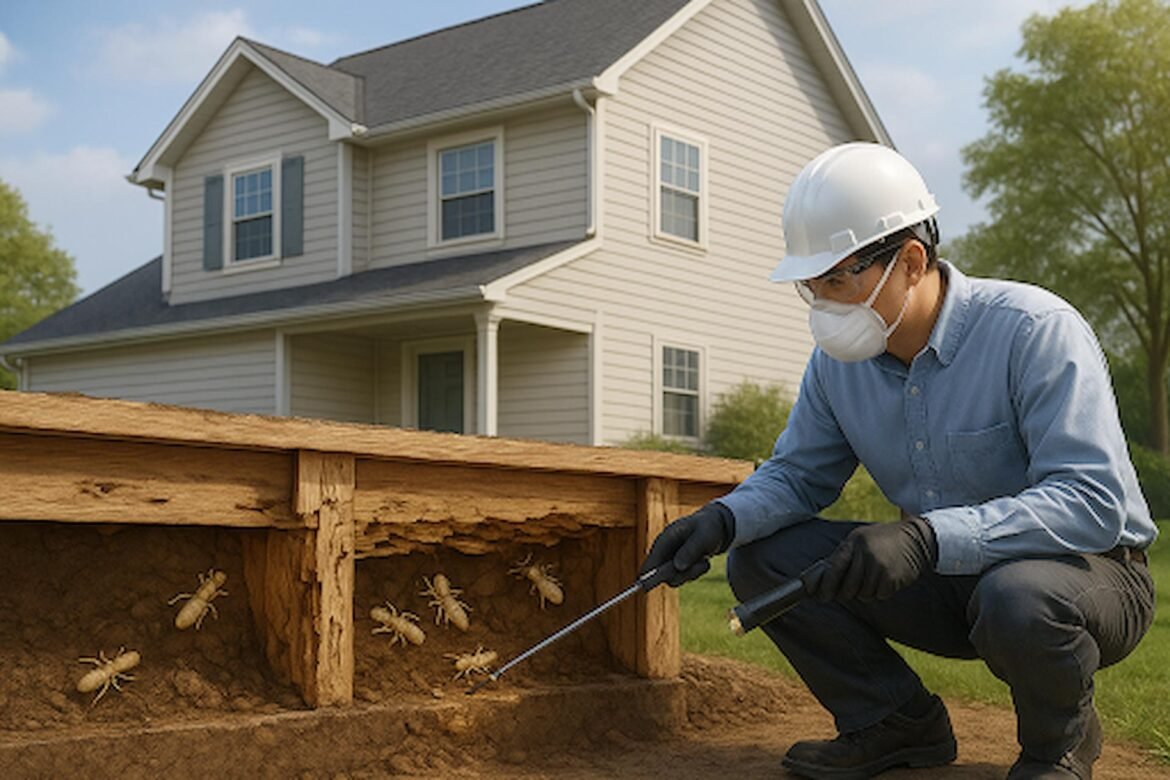

Termites are among the most destructive household pests, and the damage they create often goes unnoticed until it becomes extensive. They work quietly inside walls, floors, and foundations, which makes early detection and treatment essential. When homeowners understand how termites behave and how professional intervention works, they can take steps that protect both property value and long-term safety. Residential termite pest control services offer the specialized tools and expertise needed to identify infestations, eliminate colonies, and prevent future activity.
This article explains how termites threaten the structure of a home, how professional treatments work, and what homeowners can do to reduce risks. It presents the information in a clear and accessible way, similar to a well-researched health article that guides readers through causes, symptoms, diagnosis, and treatment. Here, the “patient” is the home itself, and prompt care makes a direct difference in the outcome.
Understanding How Termites Threaten a Home
Termites feed on cellulose, which is found in wood and many building materials. Once a colony discovers a reliable source of moisture and food, it can expand quickly. A mature colony may hold hundreds of thousands of termites, and some species form secondary colonies in hidden areas of a home. Because their activity occurs inside structural components, homeowners might not notice signs right away.
Common Species Found in Homes
Several termite species cause structural damage, but three are especially common in residential areas.
Subterranean Termites
These termites live underground and depend on moisture in the soil. They travel between the soil and the home through mud tubes, which protect them from air and predators. They tend to cause significant damage because their colonies grow large and often remain well-hidden.
Drywood Termites
Unlike subterranean termites, drywood termites live directly inside dry wooden structures. They do not require contact with soil. Homeowners may notice small piles of frass, which resemble pellets and indicate internal tunneling.
Dampwood Termites
These termites prefer wet or decaying wood. While they are less likely to invade sound structures, a leak or moisture problem gives them the conditions they need.
How Termites Create Structural Damage
Termites destroy wood from the inside out. Over time, they can weaken load-bearing components and compromise the home’s stability. Here are the most common areas at risk:
- Floor joists and subflooring
- Wall studs and framing
- Support beams
- Window and door frames
- Wooden decks and porches
In some cases, damage becomes severe enough to cause sagging floors, sticking doors, and visible hollowing. Repairing structural damage can be expensive, which is why early intervention through professional termite pest control services is important.
Signs Homeowners Should Watch For
Although termites work quietly, they do leave clues. Homeowners can protect their investment by learning what to look for and acting quickly if anything seems unusual.
Early Indicators
- Mud tubes on foundation walls, beams, or other structural surfaces
- Piles of discarded wings near windowsills or vents
- Small holes in wood or paint that appears blistered
- Thin, papery wood that breaks easily
- Sounds of tapping or faint clicking inside walls
Advanced Damage Signals
When an infestation grows, the signs become more obvious:
- Doors or windows that no longer open smoothly due to warped frames
- Sagging floors or ceilings
- Loose tiles caused by weakened subflooring
- Hollow sounds when tapping on wood
- Visible tunnels when broken wood is examined
At this stage, repairs become more complex. That is why professional inspections remain essential, even for homeowners who suspect only minor activity.
Why Professional Termite Pest Control Services Matter
Treating termites requires knowledge, training, and specialized tools. DIY products rarely reach the colony’s center, which allows termites to regroup and resume feeding. Residential termite pest control services take a comprehensive approach that covers inspection, diagnosis, treatment, and long-term prevention.
Detailed Inspection and Assessment
A licensed technician begins by evaluating the entire structure. The inspection includes interior spaces, crawl spaces, basements, attics, and the property’s exterior. This assessment identifies:
- Species of termite present
- Extent of infestation
- Moisture sources and entry points
- Vulnerabilities in the structure
Because each species behaves differently, identifying the right one is critical. This guides the treatment strategy and determines whether the focus should be on soil barriers, localized treatments, fumigation, or a combination.
Targeted Treatment Options
Professional termite pest control services use several types of treatments. Each method serves a specific purpose, and technicians may combine them depending on the situation.
Liquid Soil Treatments
These treatments create a protective zone around the foundation. Technicians inject a termiticide into the soil that termites must pass through to reach the home. It eliminates existing colonies and blocks new ones from entering.
Baiting Systems
Bait stations attract termites and allow them to carry treated material back to the colony. Over time, this leads to colony elimination. Baiting is especially effective for subterranean termites and offers continuous monitoring.
Wood Treatments
This includes applying borate-based solutions to exposed wood. These treatments penetrate the fibers and make the wood resistant to feeding and tunneling.
Fumigation
For severe drywood infestations, fumigation may be necessary. The entire structure is sealed, and a fumigant circulates throughout the home. This method reaches termites in all hidden areas.
The Importance of Long-Term Prevention
Eliminating termites is only part of the process. Without ongoing prevention, termites can return. Many companies offer annual inspections and maintenance to keep treatment barriers strong. Monitoring systems allow technicians to track termite activity throughout the year. This proactive approach is similar to routine health checkups, where prevention helps avoid more serious problems.
The Cost of Termite Damage and the Value of Prevention
Termite damage can escalate quickly. According to general industry estimates, homeowners spend billions of dollars each year on repairs related to termite activity. Insurance policies often do not cover termite damage because it is considered preventable.
By working with reputable termite pest control services, homeowners reduce the likelihood of major structural repairs and avoid unexpected expenses. Prevention also helps maintain property value, which is important when selling a home or planning future renovations.
Factors That Influence Treatment Costs
- Size of the home
- Type of termite
- Severity of the infestation
- Treatment method required
- Need for repairs or moisture correction
While professional treatment may seem like an investment, it often costs far less than repairing structural beams or replacing flooring.
Moisture Management and Home Maintenance
Termites thrive in damp conditions. One of the simplest ways to reduce risk is to keep the home dry and well-maintained.
Key Steps to Reduce Moisture
- Repair leaking pipes, faucets, or roof issues promptly.
- Improve ventilation in crawl spaces, attics, and basements.
- Keep gutters clear and direct water away from the foundation.
- Ensure soil slopes away from the home to prevent pooling water.
- Avoid letting mulch rest directly against exterior walls.
These steps make the environment less attractive to termites and help treatment barriers work more effectively.
Structural Maintenance Tips
- Replace damaged wood as soon as possible.
- Use treated lumber in areas prone to moisture.
- Seal gaps and cracks that could allow entry.
- Trim vegetation so it does not touch the home.
Simple upkeep can make a significant difference in termite prevention.
What Homeowners Can Expect During a Professional Service Visit
Understanding the process helps homeowners feel confident when scheduling an inspection or treatment.
Initial Consultation
The technician will ask about any signs you have noticed. They may also ask about past termite history, recent renovations, or moisture problems. This helps guide the direction of the inspection.
The Inspection Process
The technician checks all accessible areas using tools that detect moisture, interior voids, and other signs. They may remove small sections of trim or use a probe to check the condition of wood.
Treatment Recommendation
Once the inspection is complete, the technician explains the findings in clear terms. The service plan usually includes:
- The type of termite involved
- Treatment methods that will be used
- Expected timeline
- Cost and warranty details
- Steps the homeowner can take to support the process
A good provider will answer questions and make sure you understand each part of the plan before treatment begins.
Treatment and Follow-up
Treatment may require one visit or several, depending on the method. Afterward, the technician may schedule follow-ups to confirm that activity has stopped and prevention measures remain effective.
Choosing the Right Termite Pest Control Services
Selecting a qualified service provider is important for long-term results. Not all companies offer the same level of expertise or customer support.
Qualities to Look For
- Licensed, trained, and insured technicians
- Transparent inspection reports
- Clear explanations of treatment options
- Warranties that include follow-up visits
- Good reputation and customer reviews
It also helps when the company offers multiple treatment options. A provider that relies on only one method may not be able to handle every type of infestation.
Why Timely Action Matters
Termites do not slow down on their own. A colony continues to grow and expand its feeding areas until it is interrupted. Delaying treatment gives termites more time to weaken structural components and spread to other parts of the home.
By working with professional termite pest control services early, homeowners prevent extensive damage, save money, and keep their living space safe. Quick action also makes treatment simpler, since smaller infestations require less intensive approaches.
Conclusion
A home is one of the largest investments most people make, and protecting its structure should be a priority. Termites create damage silently, often long before anyone notices a problem. By learning to recognize early signs, staying informed about treatment options, and relying on professional termite pest control services, homeowners can safeguard their property for the long term.
A proactive approach that includes regular inspections, moisture control, and ongoing prevention offers the strongest defense. With professional support and good home maintenance, you can keep termites from undermining your home’s foundation and ensure your structure stays stable, safe, and strong for years to come.