
Spring should feel refreshing, but for millions of people, it brings sneezing fits, itchy eyes, and constant congestion. Pollen, dust, and airborne irritants find their way indoors, turning your home into a hidden trigger zone. If you’ve ever wondered why symptoms persist even inside, the answer often lies in indoor air quality. That’s why more homeowners are choosing the best air purifier before Spring allergies take hold and worsen their daily comfort.
Why Seasonal Allergies Feel Worse Indoors
Many assume allergies are only a problem outdoors, but indoor air can be just as polluted. Pollen clings to clothes, shoes, and pets, entering your home without notice. Add dust mites, pet dander, and mold spores to the mix, and you have a continuous cycle of irritants circulating in the air.
Modern homes are also built to be energy-efficient, which means less ventilation. While that’s great for energy savings, it allows allergens to accumulate. Without proper filtration, these particles remain suspended in the air, making symptoms persistent and harder to manage.
Key Features to Look for in an Air Purifier
When selecting an air purifier, filtration technology should be your top priority. High-Efficiency Particulate Air filters, commonly known as HEPA filters, are widely recommended because they capture extremely small particles, including pollen and dust.
Airflow capacity is equally important. A purifier must be suitable for the size of your room to work efficiently. If the unit is too small, it won’t circulate enough air to make a difference. On the other hand, a properly sized purifier ensures consistent air cleaning throughout the space.
Noise levels and energy efficiency also matter, especially if the purifier will run continuously. Quiet operation makes it easier to use in bedrooms, while energy-efficient models help keep electricity costs manageable.
As allergy season approaches, many households aim to choose the best air purifier before Spring allergies become severe. Investing in the right features ensures you get real, noticeable results rather than temporary relief.
Placement and Usage: Getting the Most Out of Your Device
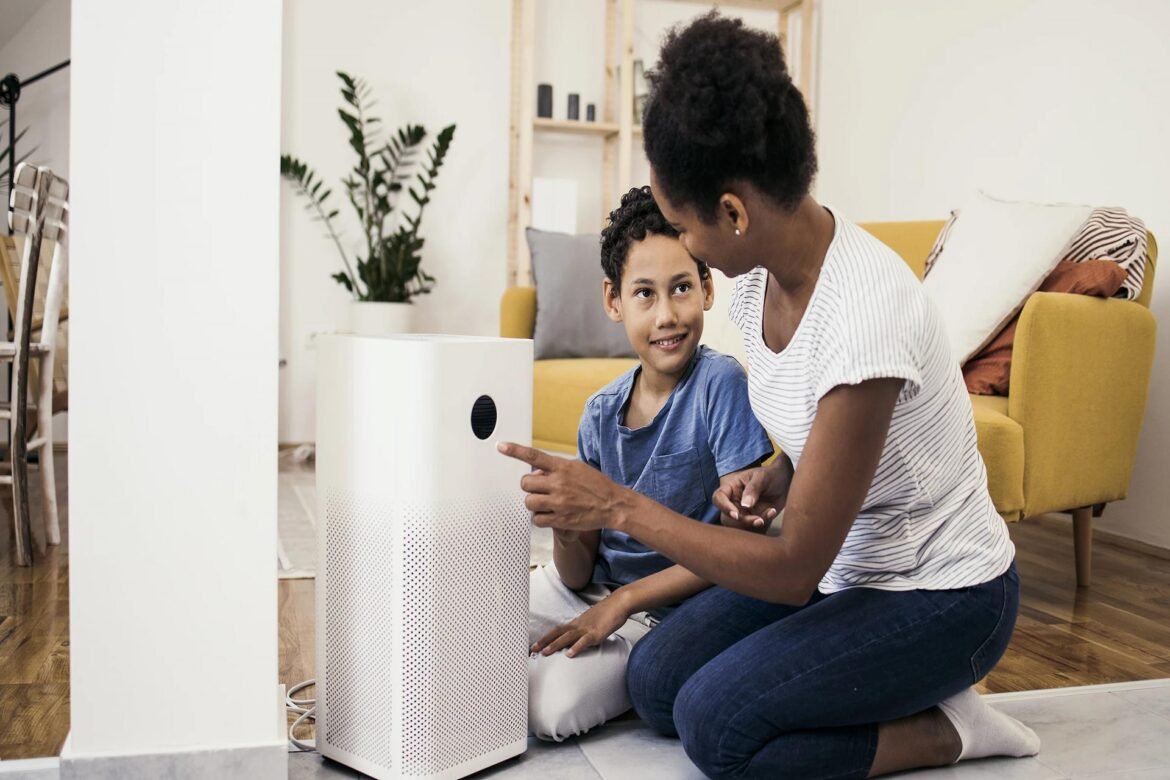
Even the best air purifier won’t perform well if it’s placed incorrectly. Positioning the unit in high-traffic areas or rooms where you spend the most time can significantly improve its effectiveness.
Keeping doors and windows closed while the purifier is running helps maintain a controlled environment. This prevents new allergens from entering and allows the purifier to focus on cleaning the existing air.
Consistency is essential. Running the device only occasionally won’t deliver lasting benefits. Continuous operation, especially during peak allergy periods, ensures that airborne particles are constantly being removed.
Maintenance also plays a critical role. Filters must be replaced as recommended by the manufacturer. A clogged filter reduces efficiency and can even reintroduce pollutants into the air.
Common Mistakes That Reduce Effectiveness
One of the biggest mistakes people make is choosing a purifier based on price alone. While budget matters, low-cost models often lack the filtration power needed to handle allergens effectively.
Another common issue is ignoring room size requirements. A mismatch between purifier capacity and room size leads to poor performance, leaving allergens circulating freely.
Some users also rely solely on air purifiers without addressing other sources of allergens. Regular cleaning, vacuuming, and controlling humidity levels are equally important. An air purifier works best as part of a broader strategy to improve indoor air quality.
Are Air Purifiers Worth It for Allergy Relief?
For many allergy sufferers, the answer is yes. Studies have shown that reducing airborne allergens can significantly decrease symptoms. While air purifiers are not a cure, they provide a practical and effective way to manage exposure.
They are especially beneficial for individuals with severe sensitivities or those who spend long periods indoors. By creating a cleaner air environment, purifiers help reduce the frequency and intensity of allergic reactions.
Over time, the benefits extend beyond allergy relief. Cleaner air contributes to better respiratory health, improved sleep quality, and a more comfortable living space overall.
Conclusion
Seasonal allergies don’t have to dominate your daily life. By understanding how indoor air affects your health, you can take meaningful steps to reduce exposure to allergens. Choosing an air purifier that fits your needs, using it correctly, and maintaining it properly can make a noticeable difference.
The decision to improve your indoor air quality is an investment in your well-being. When you take the time to choose the best air purifier before Spring allergies peak, you’re not just managing symptoms—you’re creating a healthier, more comfortable environment for yourself and your family.