
When your air conditioner isn’t keeping your home comfortable, it’s easy to assume the unit has reached the end of its life. But before you start shopping for a replacement, it’s worth taking a closer look at how air is moving through your home. An AC system can only cool effectively if conditioned air is able to travel freely from the equipment to every room. Homeowners searching for duct services for airflow problems often discover that poor airflow, rather than a failing air conditioner, is the reason their home isn’t cooling properly.
In many cases, addressing an airflow issue is far less expensive than replacing the entire HVAC system. Understanding what affects airflow and recognizing the warning signs early can help you restore comfort, improve energy efficiency, and avoid replacing equipment that may still have years of reliable service left.
Why Airflow Is Just as Important as Cooling
Many homeowners think an air conditioner creates cold air and sends it through the vents. In reality, the system removes heat from inside your home, cools the air, and then relies on a network of ducts, vents, and fans to distribute that conditioned air evenly throughout the house.
If any part of that distribution system isn’t working properly, rooms may stay warm even though the AC itself is operating. This often leads homeowners to believe the equipment is failing when the real issue lies elsewhere. Poor airflow not only affects comfort but also forces the HVAC system to run longer, increasing both energy use and wear on important components.
Before You Assume the AC Needs Replacing
Older air conditioners do eventually need to be replaced, but weak airflow isn’t always the deciding factor. Many cooling complaints are caused by issues that develop gradually over time, making them easy to overlook.
A blocked vent, a clogged filter, or leaking ductwork can all reduce airflow enough to make your home feel uncomfortable. Because these problems often produce symptoms similar to a failing air conditioner, it’s worth ruling them out before investing in a new HVAC system.
Common Airflow Problems That Are Easy to Miss
Airflow problems don’t always involve broken equipment. Sometimes, small issues throughout the home combine to reduce the amount of conditioned air reaching your living spaces.
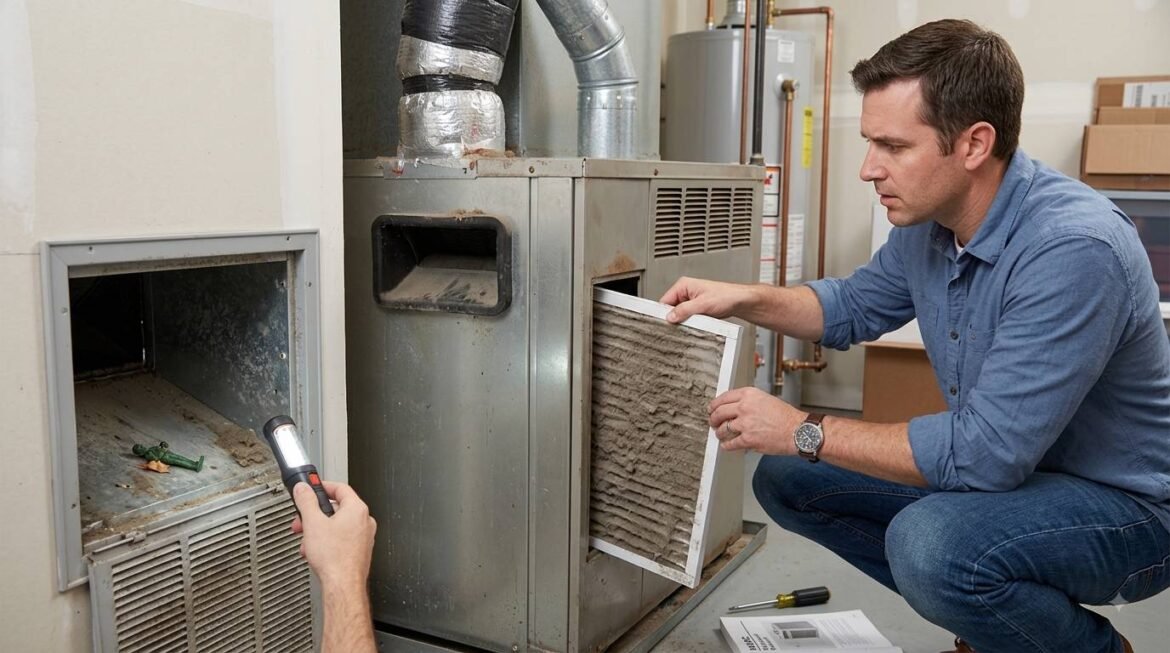
- Dirty Air Filters: Air filters trap dust, pollen, and other airborne particles before they enter the HVAC system. As the filter becomes clogged, airflow decreases, making it harder for the system to circulate cool air. Replacing the filter regularly is one of the simplest ways to improve both comfort and efficiency.
- Blocked Supply or Return Vents: Furniture, curtains, rugs, and even decorative items can partially block vents without homeowners realizing it. When airflow is restricted, some rooms receive less cooled air while others may cool normally, creating uneven temperatures throughout the home.
- Leaking Air Ducts: Your ductwork is responsible for carrying cooled air from the HVAC system to each room. If sections of the duct system develop leaks or become disconnected, conditioned air may escape into the attic, crawl space, or inside walls before it ever reaches the vents.
- Blower Fan Issues: The blower motor pushes conditioned air through the duct system. If the motor begins wearing out or isn’t operating correctly, airflow throughout the house may become noticeably weaker, even though the air conditioner continues running.
Signs Your Ductwork Could Be the Real Problem
Because ductwork is hidden behind walls, ceilings, and floors, homeowners often forget it’s even there. However, problems within the duct system can have a significant impact on HVAC performance.
Some warning signs include:
- Certain Rooms Stay Warm: If one bedroom or living area is consistently warmer than the rest of the house, airflow may not be reaching that part of the duct system effectively.
- Longer Cooling Cycles: When cooled air escapes before reaching your rooms, the air conditioner must operate longer to achieve the thermostat setting, increasing energy consumption.
- Higher Utility Bills: If electricity costs continue rising without a noticeable increase in AC use, restricted airflow or duct leaks may be forcing the system to work harder than necessary.
- Weak Airflow From Multiple Vents: If several vents throughout the home produce very little airflow, the issue often extends beyond a single room and may indicate a problem within the duct system itself.
- More Dust Around the Home: Leaking ducts can sometimes draw dust, insulation particles, or debris into the system before distributing them throughout the house. If your home seems dusty shortly after cleaning, the ductwork may deserve closer inspection.
Simple Checks You Can Do Yourself
Not every airflow problem requires professional repairs. There are several basic checks homeowners can perform before scheduling service.
Start by replacing the air filter if it hasn’t been changed recently. Walk through the house and make sure every supply and return vent is fully open and free from furniture or other obstructions. Check that the thermostat is set correctly and verify the outdoor condenser isn’t surrounded by leaves, weeds, or debris that could restrict airflow.
While these steps won’t solve every problem, they can eliminate several common causes of reduced airflow and help you determine whether professional service is needed.
When Professional Inspection Makes Sense
If you’ve completed the basic checks and airflow is still poor, it’s time to have the system inspected. HVAC professionals have specialized tools that allow them to measure airflow, inspect ductwork, evaluate blower performance, and identify hidden leaks that aren’t visible during a routine walkthrough.
A professional inspection can also determine whether the issue involves the duct system, the HVAC equipment, or another component affecting overall performance. In many cases, resolving these problems restores comfort without the expense of replacing the entire air conditioning system.
Final Thoughts
Weak airflow doesn’t automatically mean your air conditioner has reached the end of its lifespan. In many homes, the real problem lies in clogged filters, blocked vents, leaking ductwork, or other airflow restrictions that prevent cooled air from reaching every room efficiently. Identifying these issues early can improve comfort while helping your HVAC system operate more effectively.
Before making the significant investment of replacing your air conditioner, take the time to evaluate how well your home’s airflow system is performing. A professional inspection, combined with routine maintenance and timely duct repairs when needed, can often restore cooling performance, lower energy costs, and extend the life of your existing HVAC equipment.