
Windows play an important role in keeping a home comfortable, secure, and energy efficient. Over time, however, frames, seals, glazing, and hardware can begin to deteriorate. These changes may seem minor at first, but they can gradually affect indoor temperatures, increase draughts, allow moisture inside, and make rooms less pleasant to use.
If you are noticing several of these issues at the same time, speaking with a professional window company can help you understand whether repairs are still practical or whether replacement should be considered. Recognising the early warning signs makes it easier to deal with ageing windows before they cause wider problems around the home.
Draughts Become More Noticeable
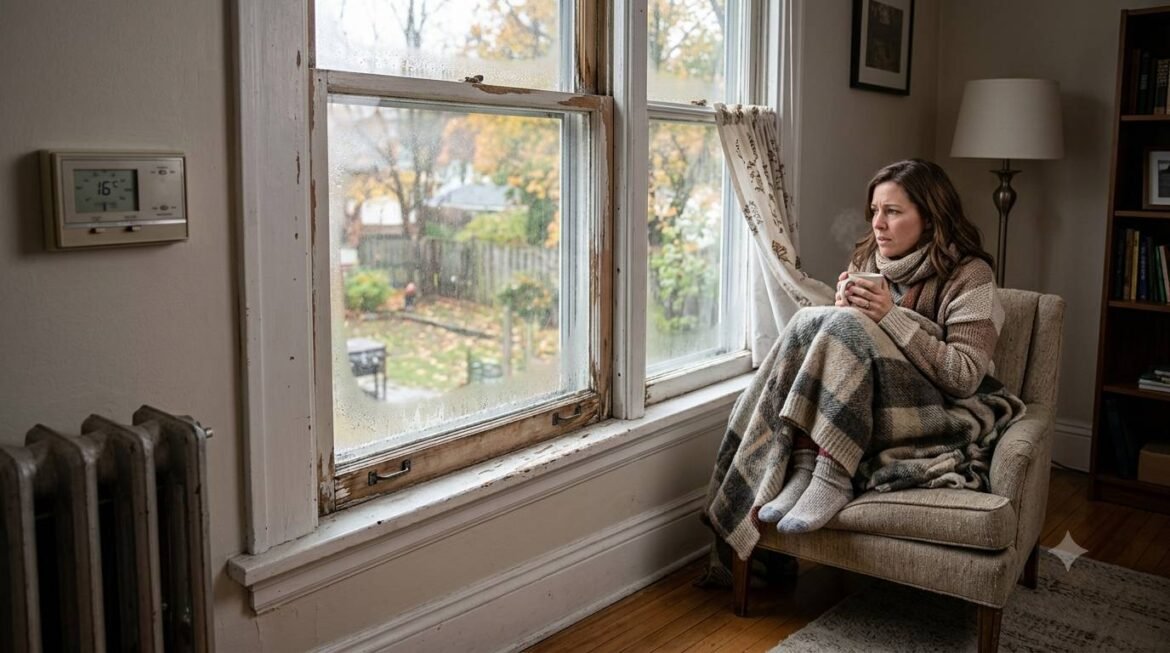
One of the clearest signs of ageing windows is a noticeable draught around the frame. Seals can wear out, frames may shift slightly, and small gaps can develop over time. These openings allow outside air to enter the home, making rooms feel colder in winter or warmer during hot weather.
A reputable window company can inspect the frame, glazing, seals, and surrounding area to identify where unwanted air is entering. In some cases, replacing seals or making small adjustments may be enough. Where frames or glazing units have deteriorated significantly, replacement may provide a more dependable long-term solution.
Indoor Temperatures Become Less Consistent
Older windows can make it harder to maintain a comfortable temperature throughout the home. You may notice that rooms near certain windows feel considerably colder than the rest of the property, particularly during winter. In warmer months, those same areas may become uncomfortably hot when exposed to direct sunlight.
This inconsistency can place greater demand on heating and cooling systems because they must work harder to maintain the preferred indoor temperature. While windows are not the only factor affecting comfort, damaged seals, ageing glazing, and poorly fitting frames can contribute to unwanted heat loss or heat gain.
Condensation Appears Between Glass Panes
Condensation on the room-facing surface of a window can result from indoor humidity, but moisture trapped between panes of double or triple glazing is different. It can indicate that the seal around the insulated glass unit has failed, allowing moisture to enter the space between the panes.
Once this happens, the window may no longer perform as intended. Cloudiness or misting between panes can also reduce visibility and become difficult to clean because the moisture is sealed inside the glazing unit. An assessment can determine whether the glass unit alone can be replaced or whether the complete window requires attention.
Windows Become Difficult to Open or Close
Windows should operate without excessive force. If they become difficult to open, close, or lock, there may be a problem with the hinges, handles, frame alignment, or other moving components. Timber frames can also swell or distort when repeatedly exposed to moisture.
Do not ignore windows that no longer close properly, as gaps can affect security, weather resistance, and comfort. Some operating problems can be corrected by replacing hardware or adjusting the frame, while more extensive deterioration may make replacement the more practical option.
Rising Noise Levels Indoors
Windows also help reduce the amount of outdoor noise entering a property. If traffic, neighbours, or other outside sounds suddenly seem more noticeable, deteriorating seals or poorly fitting frames could be contributing to the problem.
The type and thickness of glazing also influence sound reduction, so older windows may provide less acoustic protection than newer designs. Before replacing windows solely because of noise, it is sensible to identify whether gaps, damaged seals, glazing condition, or another part of the building is responsible.
Signs of Moisture Around the Frame
Water staining, peeling paint, soft timber, mould growth, or dampness near a window should be investigated. These signs may result from failed seals, damaged frames, poor drainage, or defects around the window opening.
Persistent moisture can damage decorative finishes and surrounding building materials if the underlying cause is not corrected. The source should be identified rather than simply covering the affected area with paint or sealant, as this may only hide the problem temporarily.
Higher Energy Use Without an Obvious Reason
An unexplained increase in heating or cooling demand can sometimes be linked to ageing windows, particularly when combined with draughts or uncomfortable room temperatures. Poor seals and deteriorated glazing can allow conditioned indoor