
Extreme weather can make keeping your home comfortable feel like a constant challenge. Whether you’re dealing with freezing winter temperatures or intense summer heat, your home’s ability to maintain a consistent indoor climate affects both your comfort and your energy bills. Fortunately, staying comfortable doesn’t always require major renovations or expensive upgrades. A few smart habits and regular home maintenance can make a significant difference throughout the year.
Taking a proactive approach to home comfort also helps reduce strain on your HVAC system. If you’re looking for reliable heating and cooling Wilmington, OH services, working with experienced professionals can help ensure your system is prepared for seasonal weather changes before they become a problem.
Keep Your HVAC System Well Maintained
Your heating and cooling system is the heart of indoor comfort. When it’s operating efficiently, your home stays at a consistent temperature while using less energy.
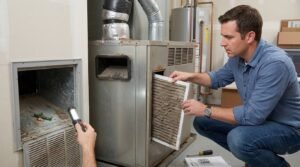
Routine maintenance is one of the easiest ways to improve performance. Schedule professional inspections at least twice a year—once before the cooling season and once before the heating season. During these visits, technicians can inspect components, clean coils, check refrigerant levels, lubricate moving parts, and identify small issues before they turn into costly repairs.
Regular maintenance also extends the lifespan of your equipment and helps prevent unexpected breakdowns during periods of extreme weather.
Replace Air Filters Regularly
One of the simplest maintenance tasks is replacing your HVAC air filter.
A dirty filter restricts airflow, forcing your system to work harder than necessary. This not only increases energy consumption but can also reduce indoor air quality by allowing dust and allergens to circulate throughout your home.
Most filters should be replaced every one to three months, depending on the type of filter, household size, pets, and local air quality. Checking your filter monthly helps you determine when it’s time for a replacement.
Improve Your Home’s Insulation
Even the most efficient HVAC system can’t perform well if conditioned air constantly escapes your home.
Proper insulation keeps warm air inside during the winter and blocks excessive heat during the summer. Attics, walls, crawl spaces, and basements are common areas where insulation can significantly improve energy efficiency.
If your home feels drafty or rooms have uneven temperatures, adding or upgrading insulation may be one of the most cost-effective improvements you can make.
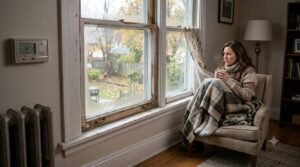
Seal Air Leaks Around Doors and Windows
Small gaps around windows and doors may seem minor, but they can allow a surprising amount of air to escape.
Weather stripping and caulking are inexpensive solutions that help prevent unwanted drafts and reduce the workload on your HVAC system. Pay special attention to:
- Exterior doors
- Window frames
- Utility pipe openings
- Electrical outlets on exterior walls
- Attic access points
Sealing these leaks helps maintain a more consistent indoor temperature while lowering heating and cooling costs.
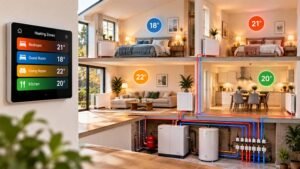
Use a Programmable or Smart Thermostat
Modern thermostats make managing indoor comfort much easier.
A programmable thermostat automatically adjusts temperatures based on your daily schedule, reducing unnecessary heating or cooling when no one is home. Smart thermostats take this a step further by learning your habits, allowing remote control through smartphone apps, and providing energy usage reports.
Even small temperature adjustments can lead to noticeable energy savings over time without sacrificing comfort.
Make the Most of Ceiling Fans
Ceiling fans don’t actually change the temperature of a room, but they improve air circulation and make spaces feel more comfortable.
During summer, fans should rotate counterclockwise to create a cooling breeze. In winter, reversing the direction to clockwise at a low speed helps circulate warm air that naturally rises to the ceiling.
Using ceiling fans alongside your HVAC system can reduce energy usage while maintaining comfortable indoor conditions.
Keep Sunlight Working for You
Natural sunlight can either help or hurt your home’s comfort depending on the season.
During the summer:
- Close blinds and curtains during the hottest part of the day.
- Use blackout curtains in rooms with direct afternoon sun.
- Consider reflective window films to reduce heat gain.
During the winter:
- Open curtains on south-facing windows during daylight hours.
- Allow sunlight to naturally warm your living spaces.
- Close curtains after sunset to help retain heat.
Managing sunlight effectively can reduce the demand on your heating and cooling system throughout the year.
Control Indoor Humidity
Temperature isn’t the only factor that affects comfort. Humidity plays an equally important role.
High humidity during summer makes your home feel warmer, while extremely dry air during winter can cause discomfort, dry skin, and static electricity.
Using a whole-home humidifier or dehumidifier helps maintain healthy indoor humidity levels, typically between 30% and 50%. Balanced humidity also reduces stress on your HVAC equipment and improves indoor air quality.
Keep Air Vents Clear
Furniture, rugs, and curtains sometimes block supply or return vents without homeowners realizing it.
When airflow is restricted, your HVAC system has to work harder to distribute conditioned air throughout the home. Walk through each room periodically to ensure vents remain open and unobstructed.
Keeping vents clean by vacuuming away dust also improves airflow and overall system efficiency.
Prepare Before Extreme Weather Arrives
Waiting until the hottest or coldest day of the year to address HVAC issues often leads to expensive emergency repairs.
Instead, prepare your home before seasonal weather changes begin.
Simple steps include:
- Testing your heating and cooling systems.
- Cleaning outdoor HVAC units.
- Inspecting insulation.
- Replacing thermostat batteries.
- Checking smoke and carbon monoxide detectors.
- Scheduling seasonal maintenance appointments.
Being proactive helps avoid unexpected problems when your system is needed most.
Final Thoughts
Keeping your home comfortable during weather extremes doesn’t require complicated solutions. Consistent HVAC maintenance, improved insulation, smart temperature control, proper humidity management, and simple home improvements all work together to create a more comfortable living environment while helping reduce energy costs.
Small preventive measures taken throughout the year can improve efficiency, extend the life of your HVAC system, and provide greater peace of mind when temperatures become unpredictable. By preparing ahead of each season, you’ll be better equipped to enjoy a comfortable home no matter what the weather brings.