
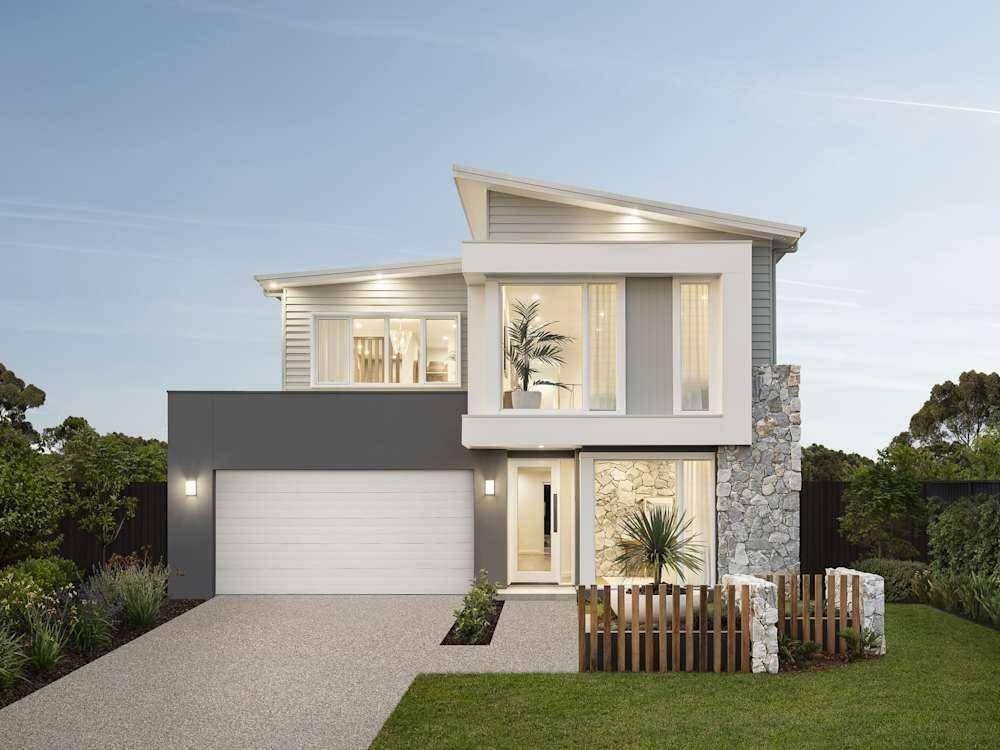

A genuinely personal home is not created by adding unusual features for the sake of difference. It comes from turning the owner’s habits, tastes and priorities into decisions about space, light, material and detail. The result should feel specific without becoming impractical or overly complicated.
Start With Personal Patterns
The design brief becomes more useful when it describes behaviour. Someone who hosts large dinners needs a different relationship between kitchen, dining and outdoor areas from someone who values quiet evenings. A collector may need controlled display space, while a household with young children may prioritise visibility between rooms. These patterns give luxury home builders Sydney clients engage a clearer basis for design than a list of preferred styles.
Let the Site Contribute
Personalisation should respond to place as well as people. A view may deserve a framed opening rather than a full glass wall. A mature tree could anchor a courtyard. A sloping block might suggest a sequence of levels instead of extensive excavation. When the site contributes to the design, the home becomes difficult to reproduce elsewhere because its form belongs to a particular setting.
Choose Materials for Meaning and Use
Material selection can express personality without relying on decoration. Some owners prefer the warmth and variation of timber; others favour the calm of stone, plaster or concrete. The important question is how a material will be touched, seen and maintained over time. A finish that looks striking in a sample may behave differently across a large wall or in strong sunlight.
Create Moments, Not a Catalogue
Custom design can tempt people to include every idea they admire. That often weakens the overall experience. A more disciplined approach selects a few moments that deserve emphasis, such as an entry sequence, a sculptural stair, a garden room or a carefully detailed kitchen. Quieter spaces around them provide contrast. Luxury home builders Sydney projects can then focus craft and coordination where it has the greatest effect.
Make Joinery Work Harder
Built-in joinery is one of the most direct ways to tailor a house. It can respond to books, art, wardrobes, media, work equipment or entertaining needs. Good joinery also controls clutter and can integrate lighting, power and ventilation. Because it is fixed, its dimensions should be based on real objects and routines rather than generic assumptions.
Personalise the Invisible Systems
A bespoke home is not only about what visitors see. Lighting control, acoustic separation, temperature zoning, charging points and storage can have a larger effect on daily comfort than a feature wall. These systems need early coordination so switches, outlets, grilles and equipment do not become afterthoughts.
Allow the Home to Age Gracefully
Individuality should survive changing fashions. Materials that develop character, flexible rooms and well-proportioned spaces can remain relevant even as furniture and tastes evolve. It is useful to separate permanent architectural decisions from elements that can change easily, such as paint, loose furniture and decorative lighting.
Keep One Clear Thread
The most distinctive houses usually have consistency. A repeated curve, a particular timber tone, a relationship to the garden or a preference for filtered light can appear in different ways across the building. This thread gives the home identity without making every room identical.
Detail the Everyday Touchpoints
Handles, taps, switches, doors and storage are used far more often than dramatic architectural features. Their position, weight and ease of use shape the daily experience of the house. When luxury home builders Sydney teams coordinate these touchpoints carefully, personalisation becomes something the owner feels repeatedly, not simply something visitors notice in photographs.
Working with luxury home builders Sydney homeowners select is most valuable when the process turns personal information into practical design decisions. The house does not need to announce that it is unique. If its layout, details and atmosphere fit the people and the site closely enough, it will naturally feel as though it could belong nowhere else.
