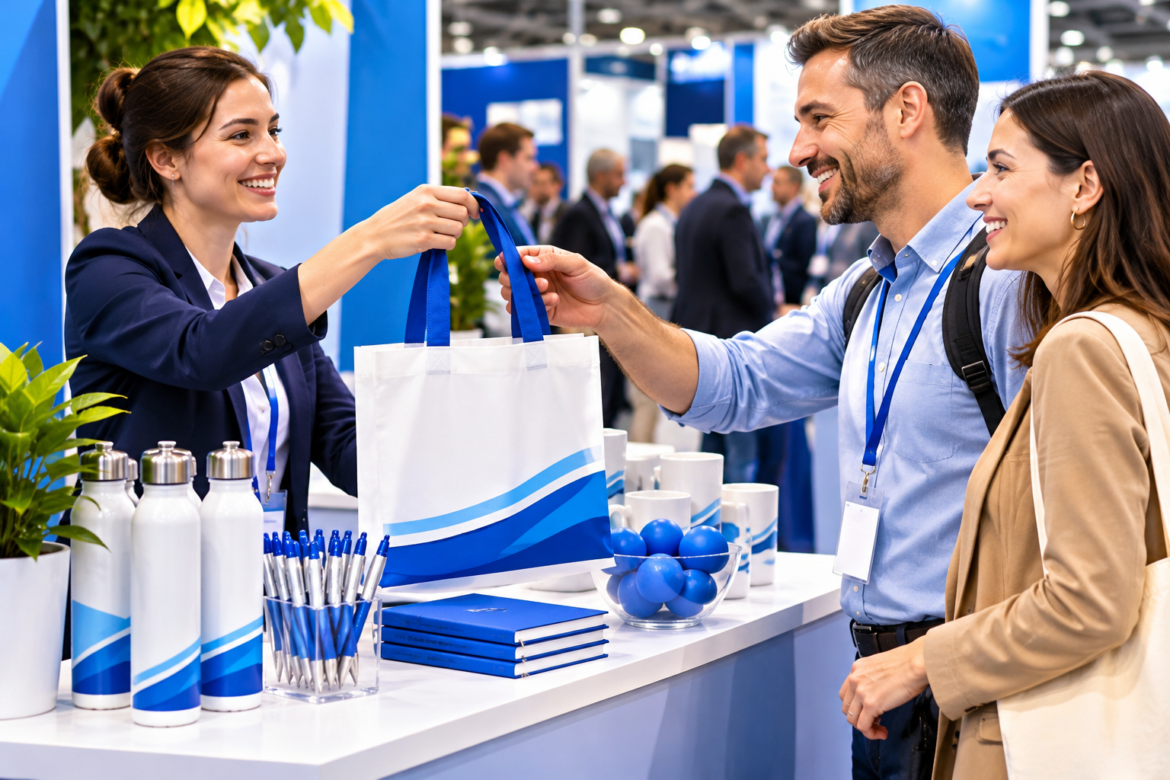

Trade shows offer businesses an opportunity to introduce their products, build professional relationships and increase brand awareness. However, with numerous exhibitors competing for attention, promotional giveaways need to offer genuine value rather than simply display a company logo. The most useful items are those that visitors can incorporate into their everyday routines.
Practical giveaways such as printed carrier bags, reusable drinkware, notebooks and stationery can serve an immediate purpose while encouraging continued use after an exhibition. Selecting merchandise that balances functionality, quality and thoughtful branding can help businesses make a lasting impression without creating unnecessary waste.
Why Practical Giveaways Make a Stronger Impression
Visitors attend trade shows to gather information, explore products and establish business connections. Throughout the event, they may receive numerous promotional items, making it difficult for individual brands to stand out.
A giveaway with a clear practical purpose gives recipients a reason to keep it. Items that are comfortable to use, easy to transport and suitable for everyday activities have greater potential for continued use.
Businesses should therefore consider the recipient’s needs before focusing on promotional messaging. A useful product with simple branding may offer more lasting value than an elaborate item with limited functionality.
Reusable Bags That Serve an Immediate Purpose
Exhibition visitors often collect brochures, product samples, catalogues and business cards throughout the day. A well-constructed carrier bag makes these materials easier to organise and transport.
Cotton tote bags, canvas bags and jute bags are options worth considering when repeat use is a priority. Paper carrier bags may also be suitable for distributing lighter promotional materials and presenting products professionally.
When selecting bags, businesses should consider handle comfort, material strength, storage capacity and portability. A bag that is uncomfortable to carry or unsuitable for heavier contents may have limited value beyond the exhibition.
Everyday Office and Workplace Essentials
Office accessories remain a practical choice for exhibitions attended by business professionals. Notebooks, pens, document folders and desk accessories can support everyday administrative tasks without requiring significant storage space.
Quality should remain a priority when choosing stationery. Pens should write smoothly, notebooks should be comfortable to use, and folders should provide adequate protection for documents.
Businesses should also avoid distributing excessive quantities of similar products. Offering visitors a choice allows them to select something they genuinely need, helping reduce unwanted merchandise and unnecessary expenditure.
Reusable Drinkware and Lifestyle Accessories
Reusable water bottles, travel mugs and other everyday accessories can appeal to visitors who commute, travel or spend considerable time away from home.
When selecting drinkware, consider ease of cleaning, portability, material suitability and secure lid construction. Products intended for food or drink contact should meet applicable safety requirements.
Lifestyle accessories should also reflect the interests and expectations of the intended audience. A giveaway does not need to be expensive to be useful, but it should perform its intended function reliably.
How Branding Influences Long-Term Use
The appearance of promotional merchandise can influence whether recipients feel comfortable using it outside an exhibition. Oversized logos, excessive advertising and complicated graphics may limit an item’s appeal.
When designing printed carrier bags, businesses should balance brand recognition with visual simplicity. Carefully selected colours, readable typography and proportionate logos can create an attractive finish without overwhelming the product.
Branding should complement the item’s practical purpose. A product that looks appropriate in professional and everyday settings gives recipients more opportunities to use it.
Important Factors When Choosing Trade Show Giveaways
Selecting promotional merchandise requires more consideration than comparing purchase prices. Businesses should assess how each product fits their exhibition objectives and audience requirements.
Important considerations include:
- Practical usefulness: Select products that support everyday activities.
- Audience relevance: Consider visitors’ professional interests and routines.
- Product durability: Choose materials suitable for the intended frequency of use.
- Portability: Avoid unnecessarily heavy or bulky merchandise.
- Branding quality: Keep promotional messages clear, attractive and readable.
- Environmental impact: Consider material sourcing, reusability and disposal options.
- Budget management: Balance product quality with realistic distribution quantities.
- Supplier reliability: Confirm production schedules, artwork requirements and delivery arrangements.
Requesting product samples before placing a large order can help businesses assess quality and identify potential problems.
Reducing Waste From Promotional Merchandise
Unwanted giveaways can contribute to unnecessary waste and increase exhibition expenses. Businesses can address this by selecting merchandise carefully and avoiding automatic distribution to every visitor.
Allowing attendees to choose their preferred items may help ensure that products reach people who intend to use them. Reducing unnecessary packaging and ordering realistic quantities can also support responsible event planning.
Environmental claims should be assessed carefully. A reusable product is not automatically environmentally preferable, as its overall impact depends on production, transportation, frequency of use and eventual disposal.
Measuring the Effectiveness of Exhibition Giveaways
The number of items distributed does not necessarily reflect the success of a promotional campaign. Businesses should also consider visitor engagement, relevant enquiries and subsequent feedback.
Recording remaining stock and reviewing visitor preferences can help improve purchasing decisions for future exhibitions.
Professional advice from merchandise suppliers or print specialists may also be useful when assessing materials, artwork suitability and production requirements. Early planning provides more time to review these decisions before an event.
FAQs
What are the most practical trade show giveaways?
Reusable bags, notebooks, quality pens, water bottles and travel mugs are practical options because they support everyday activities. The most suitable choice depends on the audience, exhibition setting and available budget.
Are expensive promotional giveaways more effective?
Not necessarily. Functionality, durability and audience relevance are often more important considerations than price alone. An affordable product that serves a regular purpose may offer better practical value.
How can businesses encourage visitors to reuse promotional merchandise?
Choose durable products with comfortable designs, practical features and understated branding. Avoid excessive promotional messaging that could discourage recipients from using merchandise in everyday settings.
How many giveaways should businesses order?
Order quantities should reflect expected attendance, previous exhibition experience, distribution plans and available storage space. Avoid assuming that every visitor will require an item.
When should businesses order promotional merchandise?
Businesses should order sufficiently early to accommodate artwork approval, sample reviews, manufacturing and delivery. Confirm specific lead times with the supplier before finalising exhibition arrangements.
Conclusion
Successful trade show giveaways combine practical functionality, appropriate branding and reliable quality. Products such as printed carrier bags, stationery and reusable accessories can provide value beyond the exhibition when selected with the recipient’s needs in mind.
Before ordering promotional merchandise, assess audience preferences, compare product samples and establish a realistic budget. Prioritising useful, durable items over excessive quantities can support more thoughtful and effective exhibition marketing.